
Tariff Explained: The Simple Breakdown You Need in today’s global economy, tariffs are frequently discussed, but what exactly are they? Why do governments use them, and how do they affect consumers and businesses? Understanding tariffs and their implications is crucial for anyone looking to gain insight into international trade. Whether you’re a business owner, an investor, or just someone looking to understand global economics better, this tariff explanation will provide you with everything you need to know.
What is a Tariff?
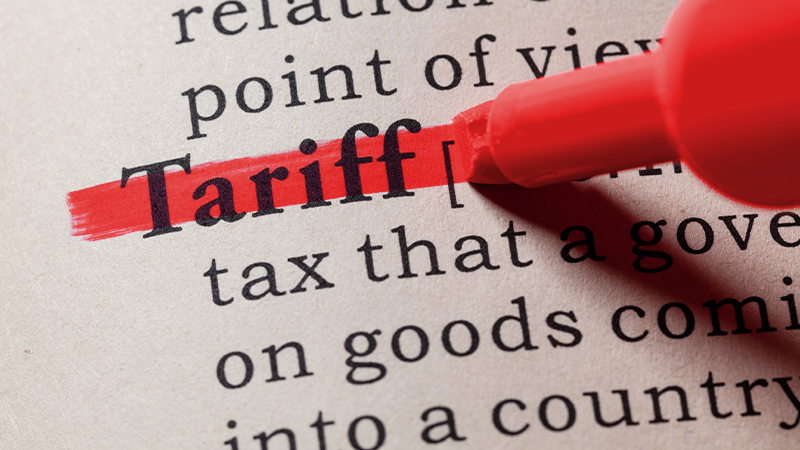
A tariff is essentially a tax or duty placed on imported or exported goods. Governments impose tariffs to regulate trade, protect local industries, generate revenue, or even retaliate against unfair trade practices. Tariffs increase the cost of imported goods, making domestic products relatively cheaper in comparison. While the tariff explanation seems simple, the motivations and consequences behind tariffs can be quite complex.
Types of Tariffs
Not all tariffs are created equal. There are several different types, each with its specific purpose. Let’s break them down:
- Ad Valorem Tariffs: These are the most straightforward type of tariffs. They are levied as a percentage of the value of the goods being imported. For example, if a country imposes a 10% tariff on a $100 item, the tariff would amount to $10.
- Specific Tariffs: Unlike ad valorem tariffs, specific tariffs are fixed charges placed on specific items, regardless of their value. For instance, a $5 tariff might be imposed on every pair of shoes imported into a country, no matter how much they cost.
- Compound Tariffs: This type combines both ad valorem and specific tariffs. For example, a country might impose a 10% tariff on a $100 shirt plus an additional $5 charge per shirt. This results in a tariff that is part percentage-based and part flat fee.
- Anti-Dumping Tariffs: These tariffs are used when a country believes another nation is selling goods at unfairly low prices—often below the cost of production, which can drive domestic competitors out of business. Anti-dumping tariffs are designed to level the playing field and protect local industries.
- Protective Tariffs: These are designed specifically to shield domestic industries from foreign competition. By increasing the price of imported goods, the goal is to make local products more attractive to consumers.
The Purpose of Tariffs
Governments use tariffs for a variety of reasons. Some of the most common objectives include:
1. Protecting Domestic Industries
One of the main reasons for imposing tariffs is to protect local industries from foreign competition. Tariffs make imported goods more expensive, which encourages consumers to buy products made within their own country. This is particularly important for emerging industries or sectors that might struggle to compete with established foreign companies.
For instance, if a developing nation has a growing manufacturing sector, imposing tariffs on imported goods can give local businesses the time and space they need to develop and establish themselves in the market.
2. Generating Revenue
Before the rise of income taxes, tariffs were one of the primary sources of government revenue in many countries. While not as important as they once were, tariffs still serve as a significant revenue stream, especially for countries that rely heavily on imports. Governments can use the funds raised from tariffs to finance public services or infrastructure projects.
3. Retaliating Against Unfair Trade Practices
Sometimes, tariffs are used as a tool for diplomacy or retaliation. If a country feels that its trading partner is violating international trade agreements or engaging in unfair practices, it may impose tariffs on that country’s goods. This creates a form of pressure to encourage a change in policy or behavior.
For example, during the U.S.-China trade war, the U.S. imposed tariffs on a wide range of Chinese goods to address issues like intellectual property theft and trade imbalances.
4. National Security
In some cases, governments impose tariffs to protect industries that are vital to national security. For example, certain strategic goods—such as steel, aluminum, or defense technology—might be subject to tariffs to reduce dependency on foreign suppliers.
The U.S. has imposed tariffs on imported steel and aluminum, citing national security concerns. The rationale is that if the country relies too heavily on foreign suppliers for critical materials, it could jeopardize its military capabilities.
The Effects of Tariffs on the Economy
While tariffs are implemented for specific reasons, they often have wide-ranging effects on both the domestic and global economies. Here are some of the most significant impacts:
1. Higher Prices for Consumers
The most immediate consequence of tariffs is that they make imported goods more expensive. When tariffs are placed on products, the cost is typically passed down to consumers. For example, if a tariff is placed on electronics, consumers will pay higher prices for these products.
This increase in prices can lead to reduced consumer spending, which can, in turn, affect businesses that rely on consumer demand. Higher prices can also cause inflationary pressures within the economy.
2. Impact on Global Trade
Tariffs can reduce the volume of international trade. As tariffs increase the price of imported goods, buyers are less likely to purchase them. Additionally, the countries affected by the tariffs might retaliate by imposing their own tariffs, which further reduces trade between the two nations.
This reduction in trade can have a knock-on effect on global supply chains, where manufacturers in different countries rely on each other for parts and raw materials. When tariffs disrupt these supply chains, production costs can rise, leading to inefficiencies in manufacturing.
3. Encouraging Domestic Production
While tariffs can harm consumers, they can benefit domestic industries by making local products more competitive. If imported goods are more expensive due to tariffs, consumers may turn to local alternatives. This can result in increased demand for domestically produced goods, which in turn encourages local businesses to expand production, create jobs, and boost investment in the economy.
4. Trade Wars and Retaliation
When one country imposes tariffs, it often leads to retaliatory measures by other nations. This creates a cycle of escalating tariffs, which can escalate into a full-blown trade war. A trade war can cause economic harm to all countries involved, leading to higher prices, reduced trade, and damaged global relations.
For example, during the U.S.-China trade war, both countries imposed tariffs on a variety of products. The tit-for-tat tariff measures hurt businesses on both sides, increased prices for consumers, and disrupted global supply chains.
5. Shifting Trade Partnerships
As tariffs make it more expensive to trade with certain countries, companies often look for alternative markets or suppliers. Countries might seek to reduce their reliance on particular trading partners by sourcing products from other nations with fewer or no tariffs. This shift in trade patterns can result in changes to global supply chains and new international partnerships.
Tariff Implementation: A Real-World Example
To better understand how tariffs work in practice, let’s look at a recent example from the U.S.-China trade conflict. In 2018, the U.S. imposed tariffs on billions of dollars’ worth of Chinese imports, primarily targeting items like electronics, steel, and aluminum. This was done to address the trade imbalance between the two nations and to protect U.S. industries from unfair competition.
In response, China imposed its own tariffs on U.S. goods, including agricultural products and automobiles. The result was a significant disruption in global trade, with prices for many consumer goods increasing due to the higher tariffs. Companies that relied on Chinese imports, such as manufacturers of consumer electronics, saw their costs rise, which was eventually passed on to consumers.
This example demonstrates how tariffs can create a ripple effect across industries and consumers, showing the interconnectedness of the global economy.
Understanding Tariffs in the Context of Global Trade
The imposition of tariffs is just one part of the broader framework of international trade. Countries often engage in trade agreements to reduce or eliminate tariffs in certain industries. For example, the North American Free Trade Agreement (NAFTA) and the European Union (EU) have both sought to reduce tariffs between member states to encourage trade and economic cooperation.
However, tariffs still remain a powerful tool for governments seeking to protect domestic industries, retaliate against unfair practices, or maintain national security. As the world becomes more interconnected and trade barriers lower, it’s likely that tariffs will continue to be a topic of significant debate and negotiation on the global stage.
The tariff explanation provided here outlines the fundamental principles behind tariffs, their types, purposes, and their economic consequences. Tariffs play a pivotal role in international trade by regulating imports, protecting domestic industries, and generating government revenue. However, they also create challenges, including higher prices for consumers, disruptions in global trade, and potential trade wars.
Understanding tariffs and their implications is essential for anyone involved in international trade, economics, or business. By being informed, individuals and companies can better navigate the complexities of global trade and make decisions that align with their goals. Whether you’re a consumer trying to understand the impact of tariffs on your favorite products or a business owner seeking to minimize the effects of trade barriers, knowing how tariffs work is crucial in today’s interconnected world.




More Stories
Navigating Your Wealth: The Art of Strategic Financial Planning
Future-Proofing Your Finances: How to Thrive in an AI-Driven Economy
Unlocking Hidden Trends: Market Insights That Shape Tomorrow’s Opportunities